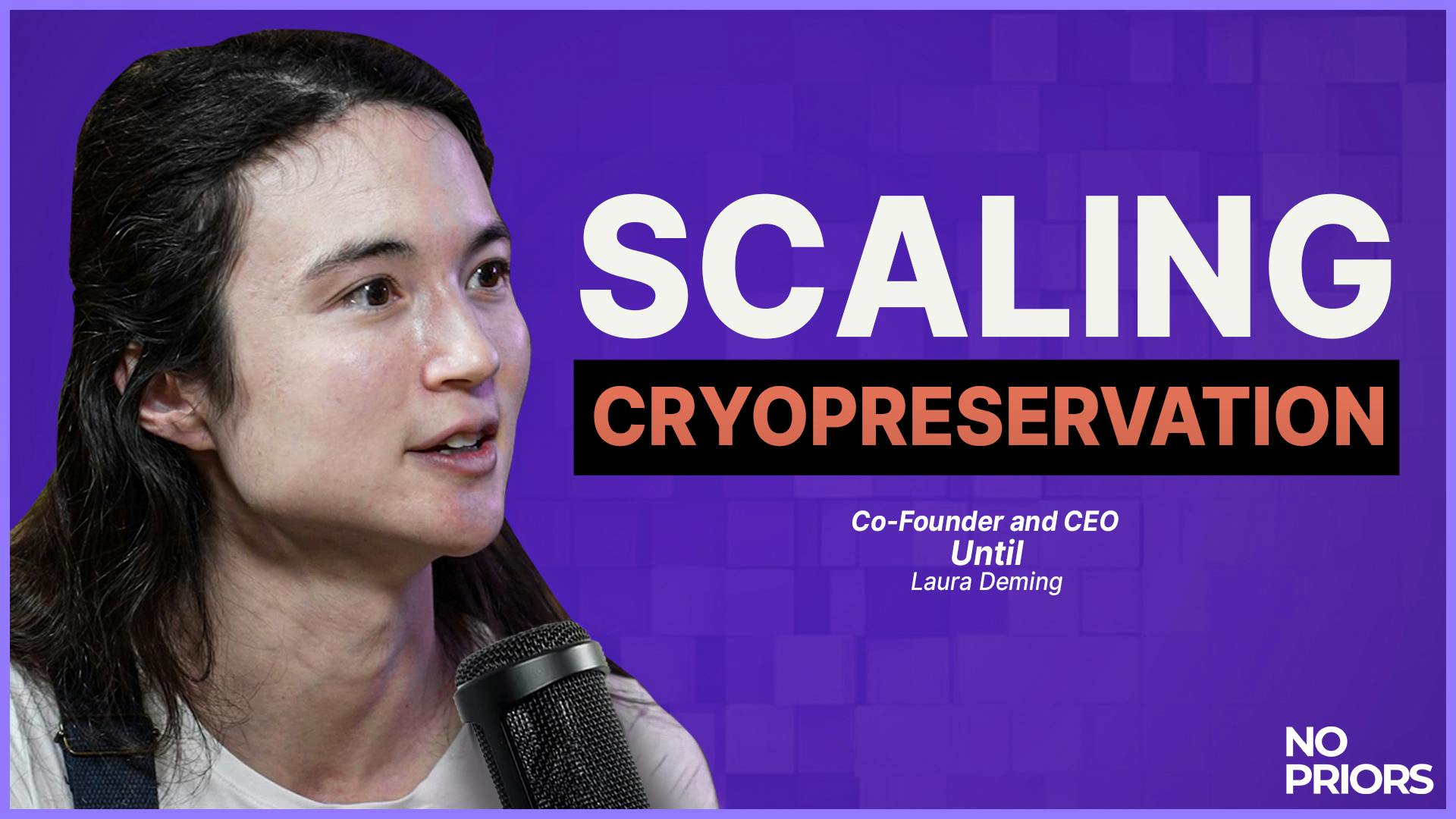
The podcast explores the idea of reversible cryopreservation, examining both its immediate and future potential. In the short term, the focus is on cryopreserving individual human organs to improve transplant success by removing the limitations imposed by time sensitivity. This has already shown promise with techniques successfully applied to human embryos and certain organs, such as kidneys. For the long-term goal, the discussion turns to reversible whole-body cryopreservation, which could act as a form of medical hibernation, allowing patients to be preserved until life-saving treatments become available. This approach aims to pause biological processes and avoid the damage caused by ice crystal formation during freezing, a major challenge in the field.
Despite progress in specific areas, the field of cryopreservation faces significant hurdles, including insufficient funding and limited public and scientific attention, partly because aging is not typically considered a medical condition. The speaker sees potential in both addressing critical medical needs and fulfilling personal ambitions, such as space exploration, which could benefit from the ability to suspend biological time. Research efforts are ongoing in parallel, with studies on organ preservation and whole-body hibernation in animals like rats serving as stepping stones toward human applications. While social and philosophical concerns about identity and relationships may slow widespread adoption, the speaker remains optimistic about the future, noting increasing academic and technical acknowledgment of the field's potential for mainstream acceptance.