More Open Source Security episodes

The Art of Crisis Management with David Bernstein thumbnail

The Art of Crisis Management with David Bernstein

Published 2 Feb 2026

Duration: 35:32

Emergency management and business continuity planning are critical for organizations to proactively identify and prepare for potential disruptions.

Episode Description

Josh talks to David Bernstein about the world of crisis management and business continuity. David is a certified emergency manager and tell us about p...

Overview

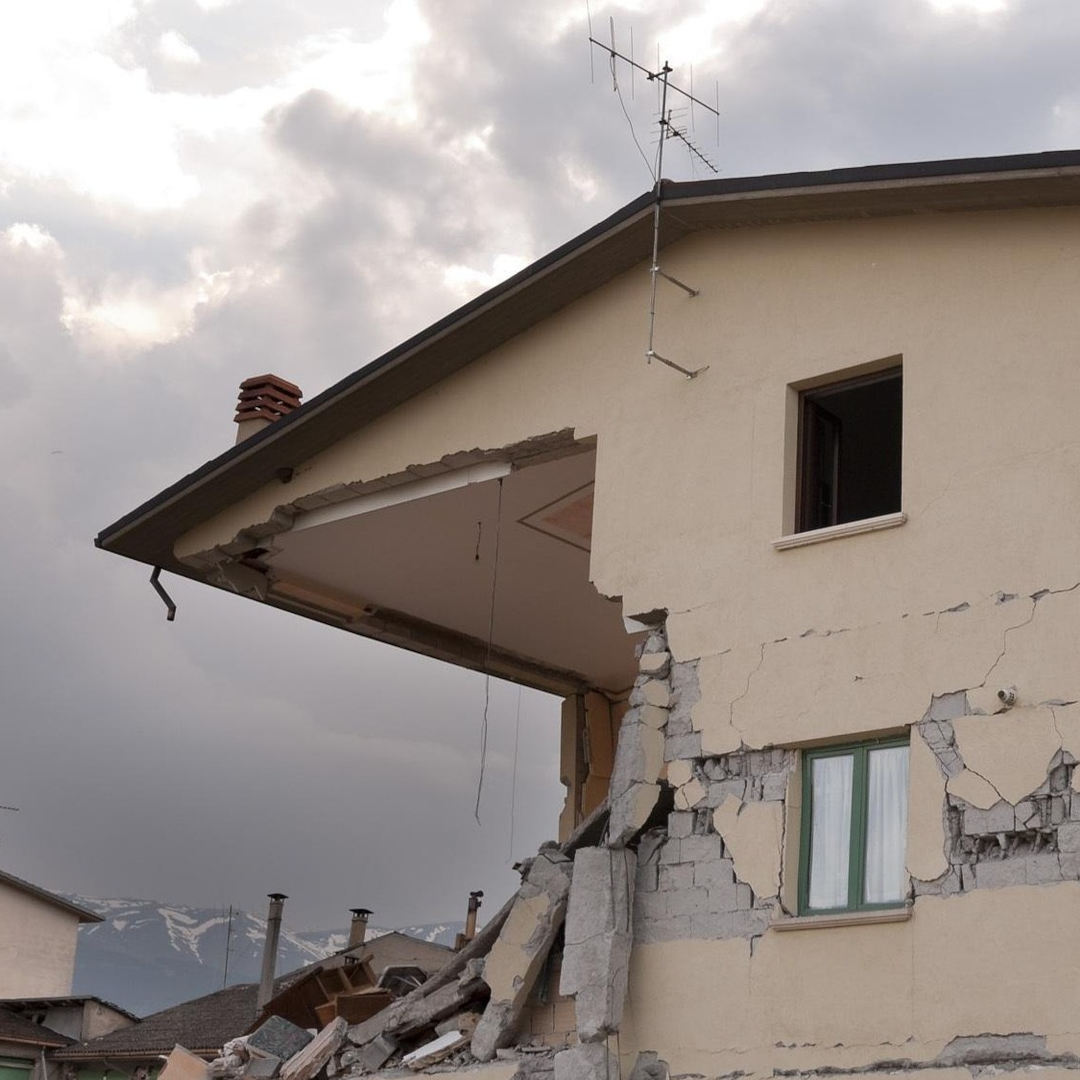
The podcast focuses on the critical role of emergency management and business continuity planning in ensuring organizational resilience against both major and minor disruptions. It underscores the complexity of modern systems by using a hospital as an example, illustrating how a single technology failure can lead to widespread operational challenges. The discussion emphasizes the value of scenario-based planning, including creative examples like "zombie plans," to prepare for a range of potential crises.

The conversation highlights the importance of crisis management strategies, the need for emergency managers to coordinate diverse perspectives, and the role of tabletop exercises in identifying weaknesses in preparedness plans. It also addresses human factors, such as stress and communication, as key elements of effective incident response, stressing the importance of practicing proper procedures to prevent the reinforcement of poor habits. The content further explores the distinctions between departmental and organization-wide planning, the necessity of infrastructure readiness, and the risks of over-relying on technology without adequate backup systems.
Recent Episodes of Open Source Security

11 May 2026 Open source is critical infrastructure with Kat Cosgrove

Maintaining open source infrastructure is critical to prevent security risks from neglected projects, highlighting the need for sustainable funding, corporate collaboration beyond financial support, and systemic reforms to address coordination challenges, dependency fragility, and vulnerabilities.

4 May 2026 How to actually test a disaster plan with David Bernstein

A three-part disaster recovery framework emphasizing simplicity, clear roles, and collaboration, utilizing structured testing via HSEEP, real-world validation, and continuous improvement through exercises, while addressing pitfalls and balancing realism with psychological safety.

27 Apr 2026 Open Source Pledge with Vlad-Stefan Harbuz

Challenges in open source sustainability include undervaluing maintainers, dependency tracking issues, fragmented tooling, burnout, governance flaws, and paradoxical tool sustainability, necessitating financial support, sustainable governance, and collective action for long-term project viability.

20 Apr 2026 Building a plan for disaster with David Bernstein

Adaptive emergency management and disaster recovery demand dynamic strategies, structured frameworks like ISO 22301/NIST, cyclical preparedness, stress testing, stakeholder alignment, and resilience through collaboration and continuous learning to tackle evolving digital and physical risks.

13 Apr 2026 Open Source Malware with Paul McCarty

Open Source Malware (OSM) addresses the gap in detecting intentional malicious open-source components by cataloging threats, de-obfuscating code, extracting indicators of compromise, and providing post-incident data, while tackling challenges like persistent malicious packages, limitations of traditional tools against interpreted languages, fragmented collaboration, AI risks, and the need for improved CI/CD security, audit tools, and balanced AI-human oversight.

More Open Source Security episodes