More Podcasts by InfoQ episodes

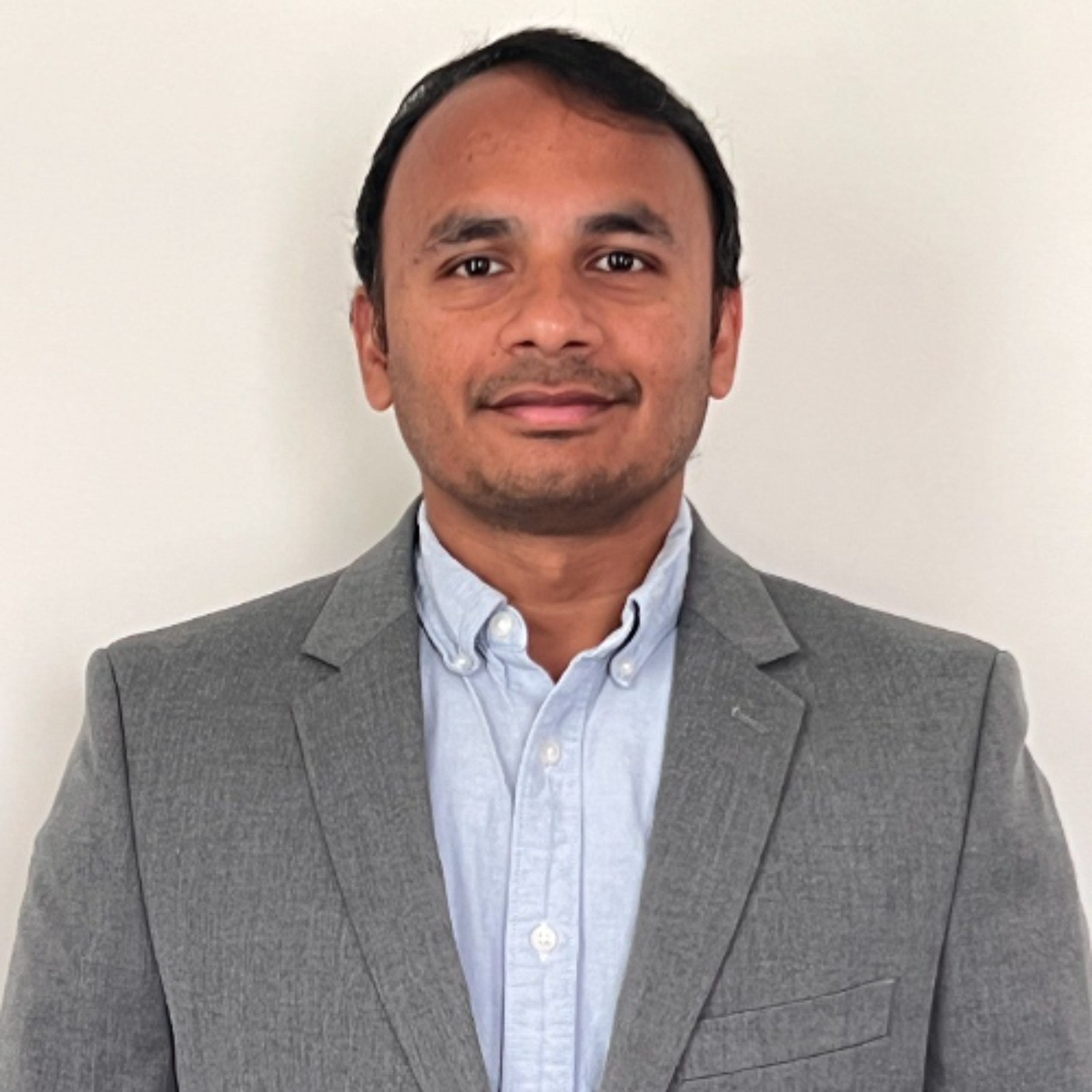
Building Resilient Event-Driven Microservices in Financial Systems with Muzeeb Mohammad thumbnail

Building Resilient Event-Driven Microservices in Financial Systems with Muzeeb Mohammad

Published 16 Feb 2026

Duration: 00:35:19

This podcast outlines the transformation of financial services software architecture to modern, event-driven, and microservices-based models, facilitated by tools like Kafka and AI, while addressing key challenges such as legacy system integration, security, and compliance.

Episode Description

In this episode, Thomas Betts chats with Muzeeb Mohammad about building event-driven microservices for financial systems. The discussion covers some o...

Overview

The podcast examines the transition in financial services from traditional monolithic and mainframe systems to more modern, event-driven, and microservices-based architectures. These new architectures leverage tools like Kafka and message queues to enable asynchronous processing, improve service-level agreement (SLA) performance, and support faster deployment cycles by decoupling backend processes. A hybrid strategy is outlined to integrate legacy mainframe systems with emerging distributed technologies, involving the development of a System of Reference that will eventually replace the mainframe as the primary data source. This approach is supported by observability tools and Change Data Capture to maintain data consistency and ease migration.

The discussion also explores the potential of AI in financial services, citing examples such as anomaly detection and dynamic security policies in proof of concept implementations. These applications demonstrate AI's potential to enhance system reliability and customer experience. Security and compliance remain central to modernization efforts, with particular attention given to the handling of personal identifiable (PI) data and adherence to PCI standards. The transformation also involves a cultural shift in engineering practices, with greater emphasis on end-to-end infrastructure and security management responsibilities.
Recent Episodes of Podcasts by InfoQ

8 Jun 2026 From MCP and Vibe Coding to Harness Engineering: How Did AI Native Engineering Evolve in One Year

The evolving AI adoption in software delivery involves architecture, collaboration, and rapid advancements, highlighting shifts in coding tools from autocomplete to agentic modes, context engineering challenges, hybrid tool use, local model limitations, privacy concerns, and the need for formal validation and industry-academia collaboration to enhance agent autonomy and address reliability gaps.

1 Jun 2026 Requirements Analysis for Architects: A Conversation with Sonya Natanzon

Architects must balance technical and business priorities, prioritize user satisfaction and organizational goals, navigate communication challenges, apply domain-driven design principles, address AI's impact on software development, and adapt to evolving technologies while emphasizing creativity and strategic alignment.

18 May 2026 Context is the Key to the Agentic Architecture Revolution: A Conversation with Baruch Sadogursky

AI adoption in architectural decision-making emphasizes trade-offs between efficiency and complexity, challenges of ambiguous requirements, context-driven engineering, frameworks like the Intent Integrity Kit for iterative clarity, architect roles in managing systems and stakeholder dynamics, and the need to balance AI capabilities with human oversight amid ethical and technical limitations.

More Podcasts by InfoQ episodes