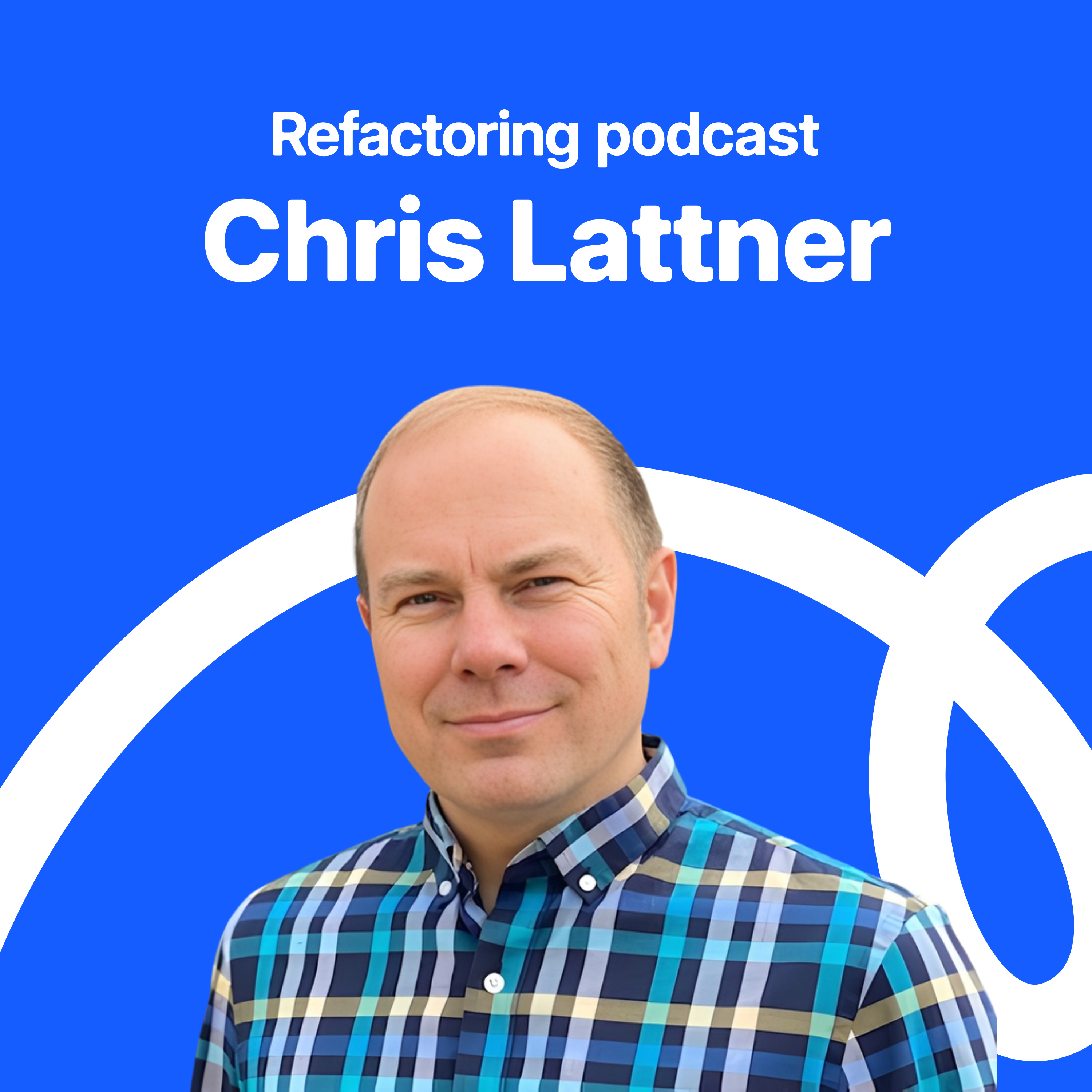
The podcast explores how AI is reshaping software development, acting as both an accelerator and a catalyst for systemic changes. AI streamlines tasks like code generation and testing but amplifies the need for efficient CI/CD pipelines and comprehensive testing practices. It encourages developersregardless of roleto adopt strategic, long-term thinking, balancing innovation with maintenance and scalability. The discussion also highlights the tension between AI's potential to democratize development and its challenges, such as over-reliance on low-quality contributions or ethical concerns around AI-generated code, which strain open-source ecosystems and intellectual property frameworks.
Chris Lattners work with Modular aims to address gaps in AI infrastructure by creating unified, open-source tools for cross-platform development. His teams projects, like the Mojo programming language, seek to simplify GPU and AI programming, making it accessible to broader audiences beyond experts familiar with legacy systems like CUDA. The conversation delves into challenges such as outdated frameworks, the steep learning curve of GPU programming, and the need for modern, portable infrastructure to bridge disparities between elite and smaller teams. Modulars vision emphasizes building scalable, community-driven solutions that prioritize performance, portability, and collaboration, while rethinking how developers engage with hardware diversity and evolving workflows.
The episode also touches on the evolving role of engineers in an AI-driven era, where adaptability and strategic thinking are paramount. Debates around open-source sustainability, licensing complexities, and the balance between AI automation and human creativity underscore the need for new tools and practices to maintain code quality and foster innovation. Ultimately, the discussion envisions a future where AI becomes an integral part of software development, driving efficiency and accessibility, but only if paired with robust infrastructure, ethical considerations, and a renewed focus on long-term system design and collaboration.