More Open Source Security episodes

Open Source Malware with Paul McCarty thumbnail

Open Source Malware with Paul McCarty

Published 13 Apr 2026

Duration: 38:23

Open Source Malware (OSM) addresses the gap in detecting intentional malicious open-source components by cataloging threats, de-obfuscating code, extracting indicators of compromise, and providing post-incident data, while tackling challenges like persistent malicious packages, limitations of traditional tools against interpreted languages, fragmented collaboration, AI risks, and the need for improved CI/CD security, audit tools, and balanced AI-human oversight.

Episode Description

Josh talks to Paul McCarty of Open Source Malware about ... open source malware. Paul explains why there aren't many good open source malware datasets...

Overview

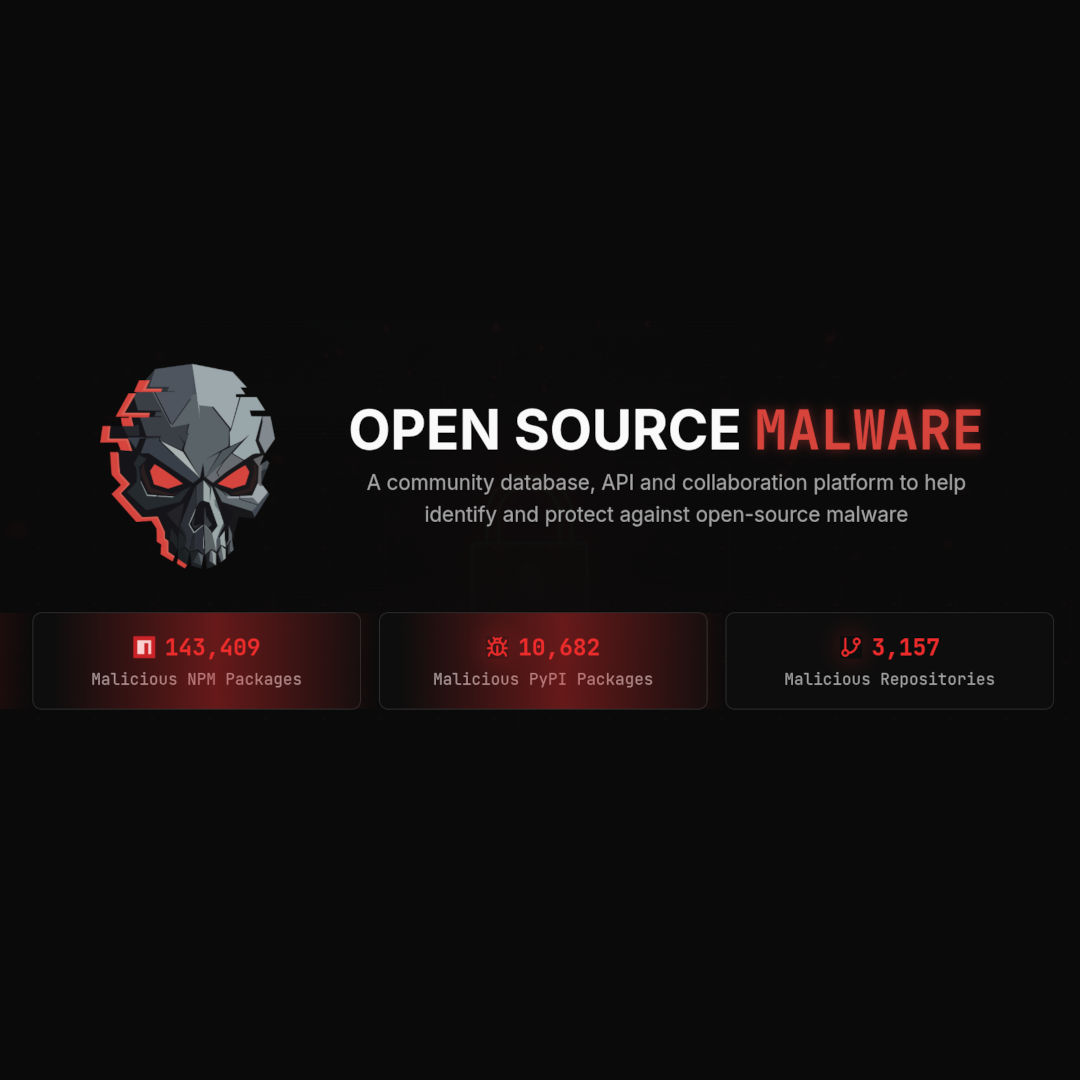
The podcast discusses the development and purpose of Open Source Malware (OSM), a platform founded to address the gap in detecting malicious open-source components, such as GitHub repositories, packages, and extensions, which traditional vulnerability tracking systems like OSV and GHSA overlook. While these tools focus on accidental vulnerabilities, OSM specializes in cataloging and analyzing packages with malicious intent, providing actionable insights for both proactive protection and post-incident response. Key challenges highlighted include misaligned data models in existing vulnerability databases, limited incident-specific details (like threat intelligence or indicators of compromise), and the difficulty of analyzing deleted or obfuscated malicious code. OSM emphasizes community-driven contributions and transparency, unlike proprietary or corporately sponsored solutions, and aims to build a business around its unique value in open-source security.

The discussion also underscores persistent risks in the software supply chain, such as malicious packages persisting in private repositories or developer environments even after removal from public registries. Critiques of platforms like OpenClaw, which lack curated security measures, and the broader industrys tendency to overlook threats in AI-driven tools and AI agent workflows are emphasized. Security experts warn of escalating risks from AI agents misused for credential theft, privilege escalation, or unauthorized access, stressing the need for education and proactive defenses. The podcast calls for industry-wide collaboration to unify threat intelligence, improve registry curation, and address systemic gaps in security practices, particularly in CI/CD pipelines and AI integration, to mitigate emerging threats.
Recent Episodes of Open Source Security

6 Apr 2026 Package management challenges with Andrew Nesbitt

Challenges in package management across ecosystems demand standardization to address fragmentation in naming, versioning, and dependencies, interoperability gaps between system-level and language-specific tools, SBOM scanner inconsistencies, and cross-ecosystem complexity, urging collaboration on shared specs and protocols despite cultural and practical barriers.

30 Mar 2026 Open Source Security at scale with Michael Wisner

The Alpha Omega Project addresses open-source security by targeting leverage points like Node.js and Python ecosystems, advocating for systemic solutions, dedicated security roles, sustainable funding, and registry infrastructure improvements to counter fragmented practices and downstream risks.

23 Mar 2026 2026 State of the Software Supply Chain with Brian Fox

The State of the Software Supply Chain Report underscores explosive open source growth (10T annual downloads) paired with critical challenges like malware proliferation (1.2M malicious packages), unresolved vulnerabilities (65% unaddressed), infrastructure strain, AI's dual role in risk (hallucinations) and potential (MCP systems), and urgent needs for improved tools, policies, and cost management amid regulatory and scalability pressures.

16 Mar 2026 MCP and Agent security with Luke Hinds

The text explores AI agent security risks like prompt injection and open-source vulnerabilities, emphasizing the No-NO project's kernel-based sandboxing with a deny-by-default model, hardware enclaves, and Rust-driven efficiency, alongside layered defenses, restricted commands, and collaborative efforts to tackle evolving threats like social engineering and insecure coding practices.

More Open Source Security episodes