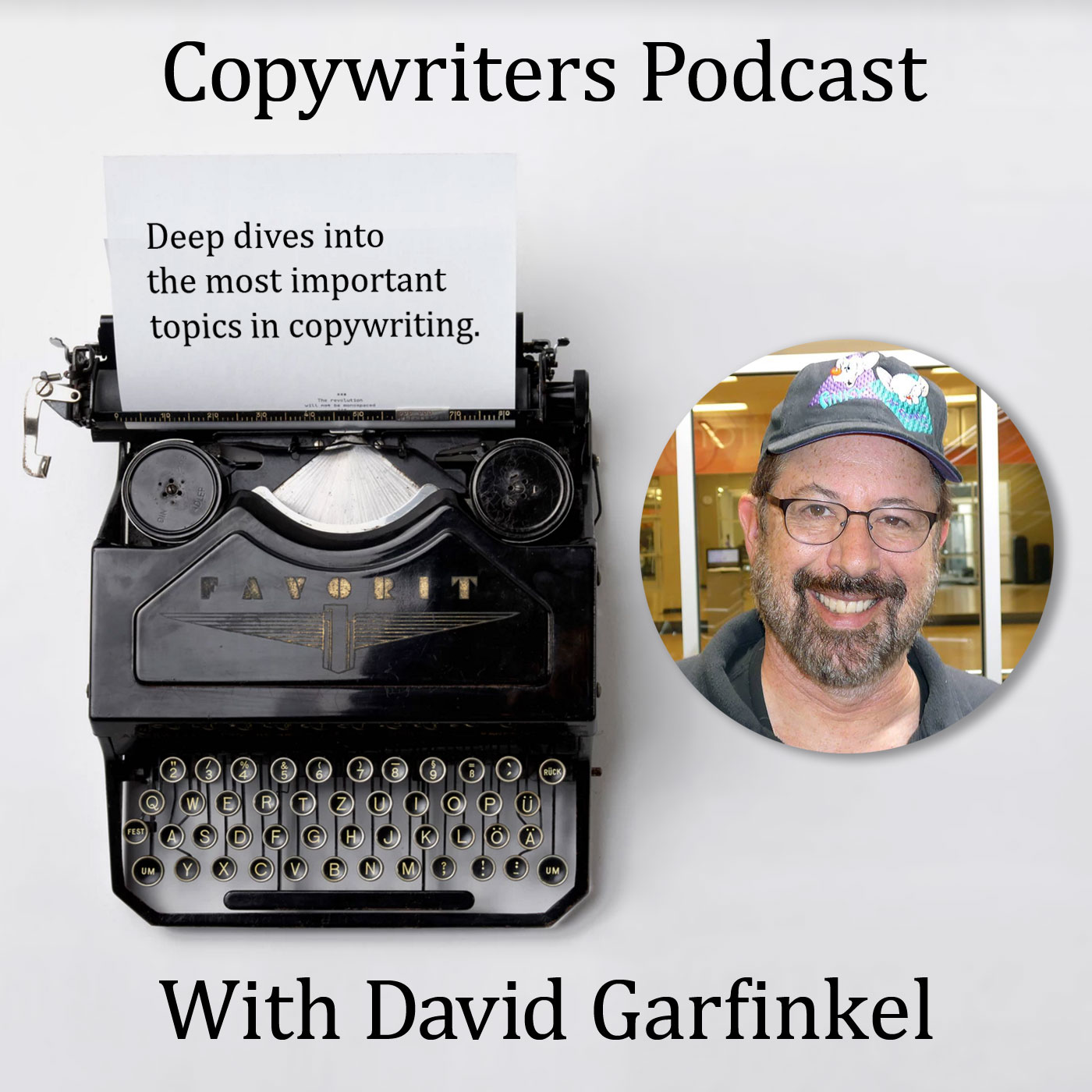
The text emphasizes the importance of mastering copywriting fundamentals, particularly for beginners and experienced writers alike, with a focus on resources like John Caples Tested Advertising Methods. Effective headlines are highlighted as crucial, with top-performing ones prioritizing tangible self-interest (e.g., "New plan cuts grocery costs") or combining curiosity with specific benefits (e.g., "How a fool stunt made me a star salesman"). Common pitfalls, such as vague benefits ("Save money") or overreliance on curiosity without clear value, are addressed, alongside strategies for framing benefits as newsworthy or actionable (e.g., "Cut your grocery bill by $150 this month"). A checklist for evaluating headlines includes assessing specificity, relevance, and whether the benefit is framed as immediate or intriguing.
The discussion also underscores the need for customer-centric copywriting, advocating for inclusive language ("you," "your") and focusing on the readers needs rather than product features. Ads should clearly connect features to real-life outcomes and avoid burying the lead by delaying the core message. Systematic approaches to advertising, informed by Caples philosophy, prioritize compounding small improvements over isolated tests. Testimonials and case histories are positioned as tools for building trust through third-party validation, while clear, frictionless calls to action (e.g., "Buy now") are stressed as essential to converting interest into sales. Finally, user-centric design thinking is emphasized to eliminate unnecessary complexities and ensure ads guide readers directly toward the desired action.