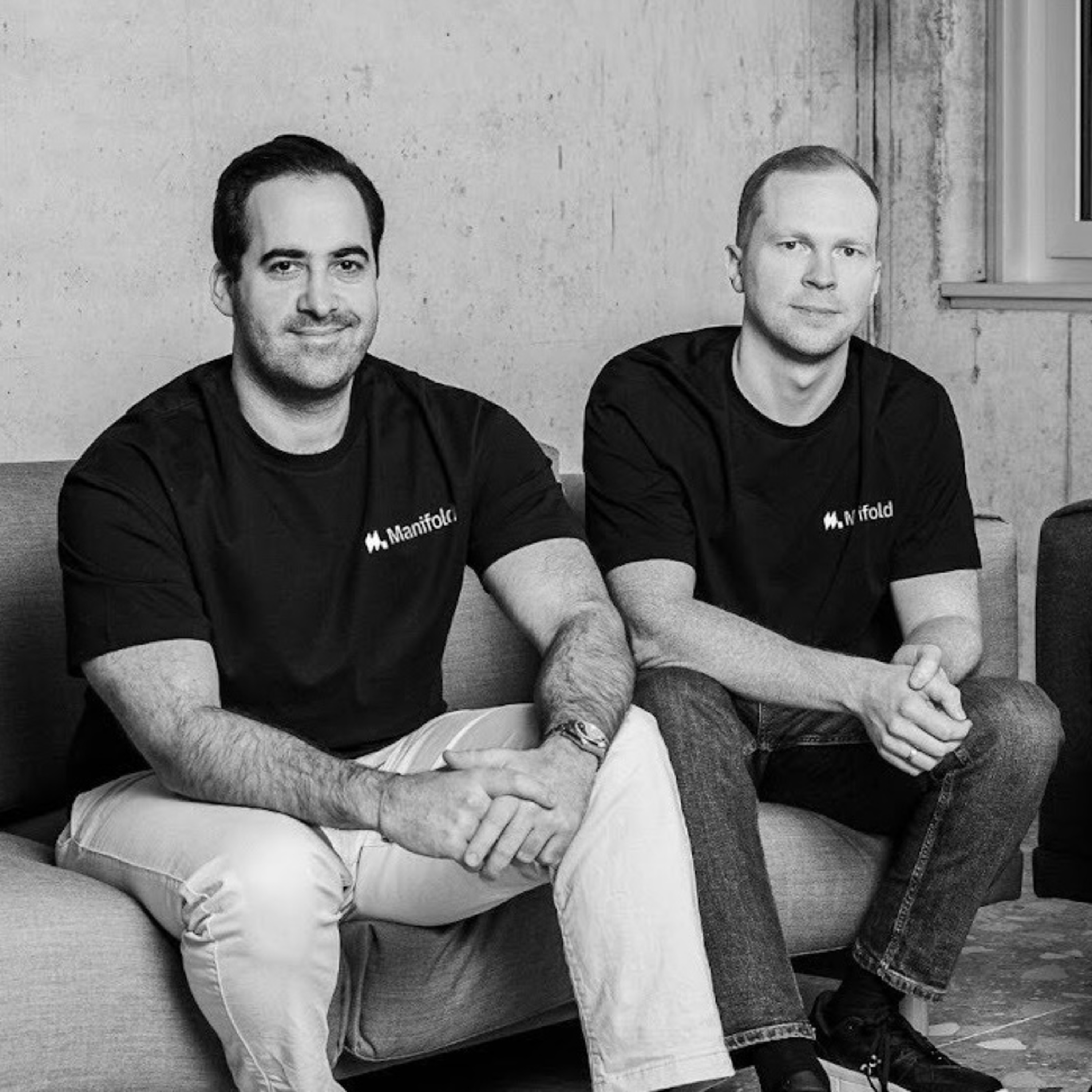
The podcast discusses the evolution of AI security, focusing on the work of Neil and Alex, who transitioned from securing model outputs to addressing broader challenges as AI systems became more autonomous. Neils background in finance and product management included securing vision models against adversarial attacks, while Alexs engineering expertise and open-source contributions led to the development of LM Guard, a widely adopted tool for detecting malicious AI responses. The pair later co-founded Manifold Security to address the growing need for securing AI-driven actions, such as executing tasks or interacting with endpoints, rather than just model outputs. They highlight a market shift toward runtime security, as traditional guardrail-based approaches fail to address the complexity of agents, including their interactions with external systems and supply chain risks. This transition is compounded by the lack of visibility into agent behavior and third-party components, creating new vulnerabilities that existing security frameworks cannot resolve.
The conversation emphasizes challenges in runtime security, including the difficulty of monitoring AI agents actions, detecting risks in real time, and managing supply chain exposure from open-source skills and libraries. Manifolds approach centers on runtime detection and response, leveraging supply chain transparency and inventory management to address gaps in enterprise readiness. Lessons from prior projects like LM Guard are applied to build open-source foundations that balance usability and security, with a focus on enabling cross-functional teams through accessible tools. The podcast also critiques existing vendors for generating noise and insufficient actionable insights, underscoring the need for frameworks that provide context-aware analysis of agent behavior and alternative recommendations to mitigate risks. Finally, it stresses the importance of community engagement, clear value propositions, and adapting legacy security practices to meet the evolving demands of AI-driven systems.