21 Sept 2026 Old Masters Series:A Technique ForProducing Ideas
"Structured idea generation involves gathering material, unconscious incubation, and refinement, with human creativity essential for breakthroughs despite AI's research aid."
More Copywriters Podcast episodes
Published 29 Jun 2026
Duration: 00:37:10
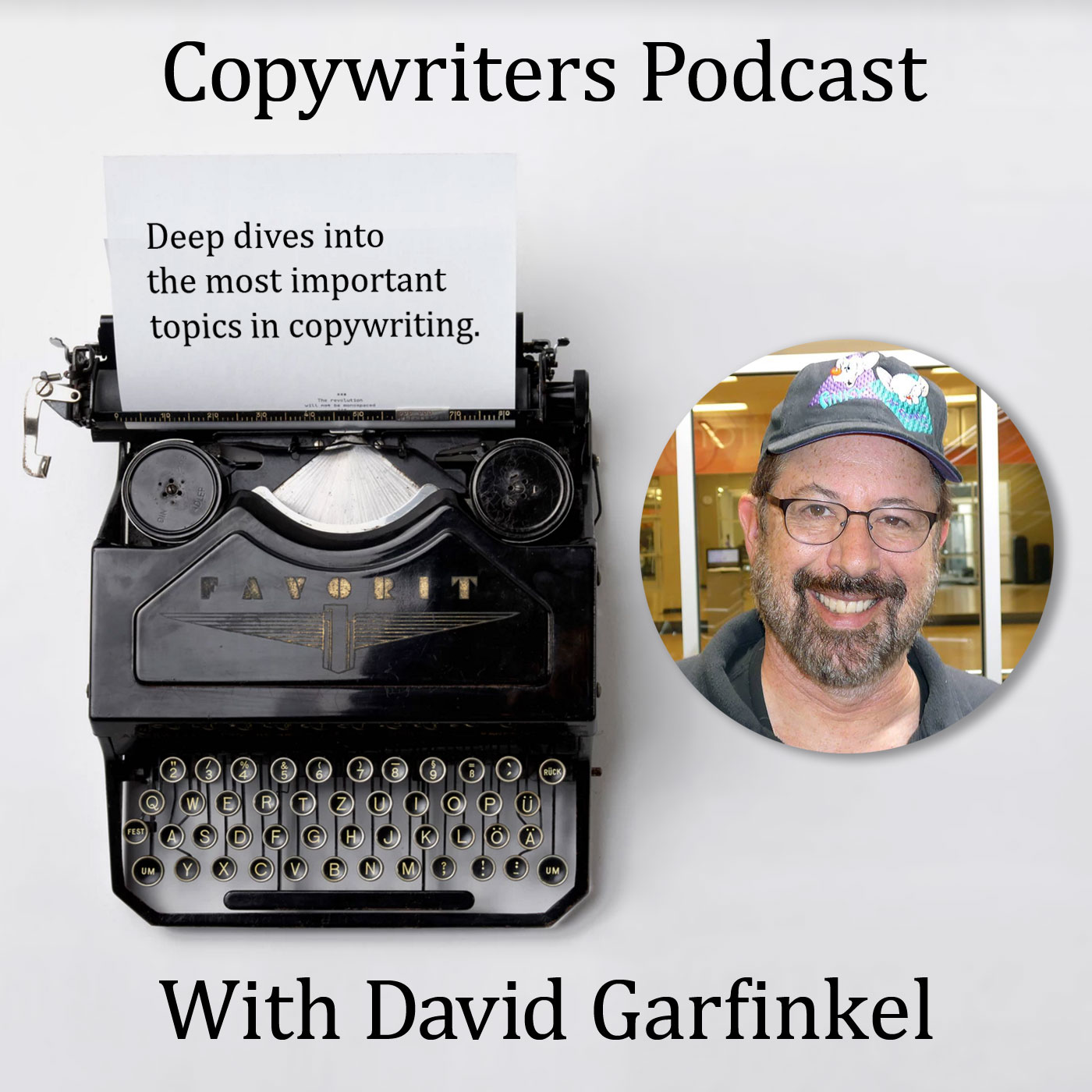
A three-step copywriting method emphasizing self-awareness, audience alignment through values and motivations, and practical techniques like leveraging product perception and natural speech, while prioritizing research, simplicity, and deliberate practice over AI-driven shortcuts to craft resonant, audience-centric messages.
Our special guest today didnt start out planning to be a copywriter, but found his way into it after posting online reviews of his favorite martial ar...
The podcast explores strategies for effective copywriting, emphasizing a three-step approach: self-awareness, audience understanding, and mastering foundational techniques. Self-awareness involves analyzing personal decision-making patterns, such as brand preferences or spending habits, to uncover universal human behavior. Audience understanding requires immersive research, like participating in customer experiences (e.g., hot yoga classes) to grasp their values, fears, and desires, rather than assuming generic benefits. The third step stresses learning core skillssuch as research and structureover shortcuts, cautioning against skipping foundational practice or mimicking experts without understanding the craft. Key themes include rejecting the "features-to-benefits" myth by focusing on whose benefits matter, avoiding extreme claims in regulated industries, and prioritizing humility and continuous learning.
The discussion also delves into product perception, noting how physical attributes like weight can influence perceived quality (e.g., Beats Headphones adding weights for a sense of substance). It addresses introversion and social engagement, suggesting structured conversation starters and observation of human behavior in informal settings to refine copywriting insights. Attention spans and modern communication trends are highlighted, with emphasis on mirroring natural speech patterns (e.g., repetition) over rigid prose. Core principles include focusing on audience self-interest ("WIIFM") and leveraging pleasure or pain as motivators, while avoiding generic pitches in favor of tailored solutions. Common pitfallslike over-reliance on AI, ignoring audience relevance, or over-complicating offersare critiqued, with a focus on research, simplicity, and aligning messaging with specific audience needs.
Additional insights cover the power of novelty, social influence, and emotional appeals in marketing, along with the importance of high-quality visuals and storytelling to engage audiences. The podcast underscores the need to dig deeper into audience desires, beyond surface-level benefits, to create resonant, effective content. It advocates for deliberate practice, curiosity-driven storytelling, and balancing entertainment with information, while avoiding superficial strategies. Practical takeaways emphasize that even those who think they know their audience must continually refine their understanding through observation, research, and experimentation to improve copywriting success.
What if you immerse yourself in your target audience's daily routines to uncover hidden pain points?
What if you redesign your products packaging or user experience to leverage perceived quality cues?
What if you streamline your copywriting process by eliminating AI shortcuts and focusing on deliberate practice?
21 Sept 2026 Old Masters Series:A Technique ForProducing Ideas
"Structured idea generation involves gathering material, unconscious incubation, and refinement, with human creativity essential for breakthroughs despite AI's research aid."
14 Sept 2026 The Persuasion Power of IMperfection
"Cultural and marketing shifts favor authenticity over perfection, with audiences embracing flawed, relatable portrayals and brands leveraging unscripted, transparent content to build trust and engagement."
7 Sept 2026 Old Masters Series: Robert Collier
"Robert Collier pioneered direct response marketing by emphasizing emotional engagement, vivid storytelling, and strategic persuasion techniques to align copy with customer desires, leveraging proof and urgency to drive action."
31 Aug 2026 Back To School For Copywriters
"Explores ethical copywriting, creativity through leisure, practical exercises, essential tools, and the role of storytelling and real-world insights in persuasive writing."
24 Aug 2026 Protecting Your Freelance Business, With Copywriter Kim Krause Schwalm
"Freelance copywriting demands self-discipline, strategic time management, financial planning, and work-life balance to sustain productivity and avoid burnout."