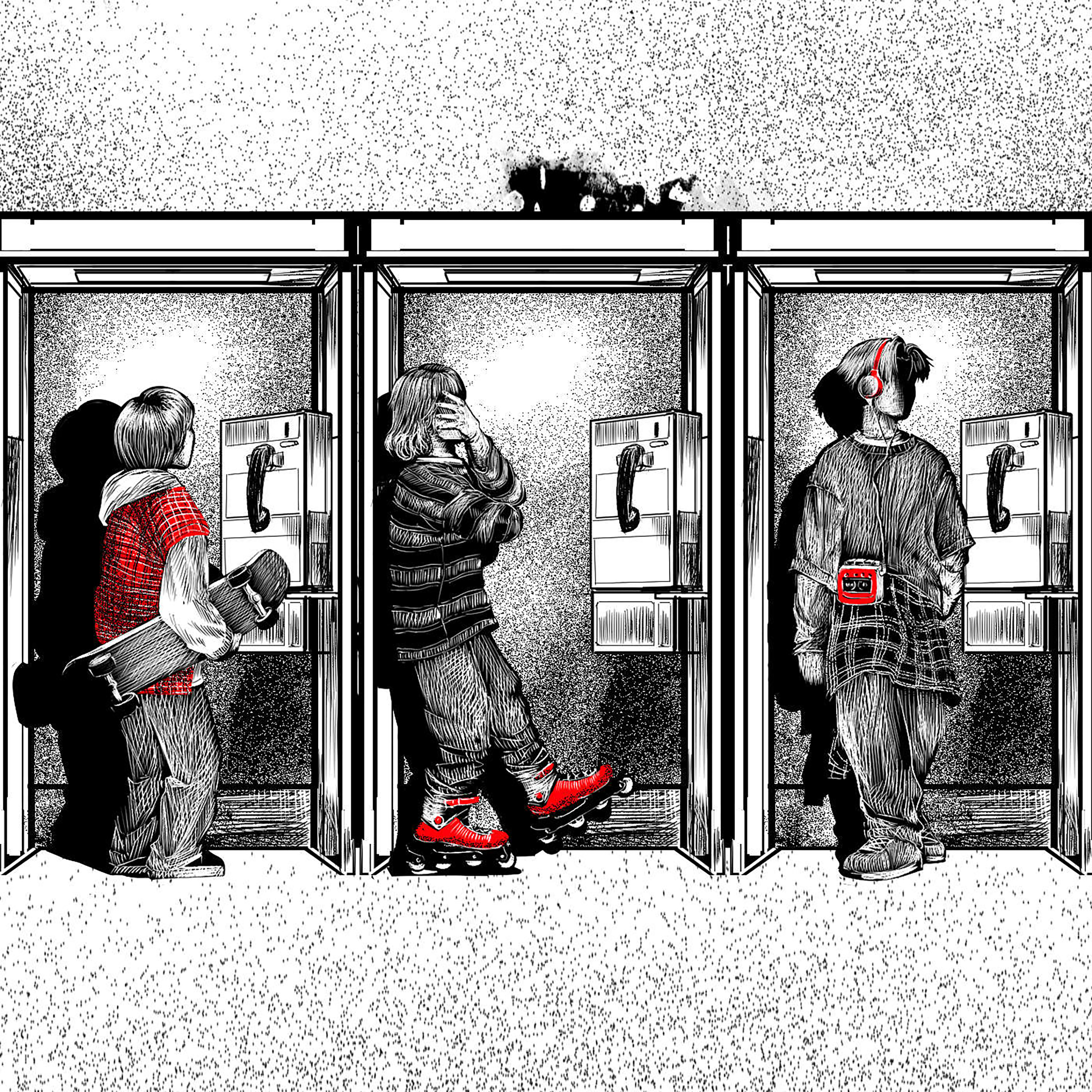
The text delves into the origins and evolution of hacking culture, tracing it back to the Hacker Manifesto by Lloyd Blankenship, which framed hacking as a pursuit of knowledge rather than a criminal act. It examines early forms of hacking, such as phone hacking and the rise of the freaker community, with particular reference to the Blue Box article that influenced tech pioneers like Steve Wozniak and Steve Jobs. The narrative includes the activities of groups like the Legion of Doom, who explored both phone and computer systems, and discusses the ethical debates surrounding information sharing and hacking during this period.
As hacking culture developed, it became more institutionalized through platforms like BBS systems, which facilitated communication among hackers. The text also addresses the legal challenges faced by publications such as Ramparts and the emergence of early cybersecurity laws, like the Computer Fraud and Abuse Act, which reflected a growing concern from authorities to regulate and criminalize hacking activities. The discussion highlights the contrast between the original ethos of hacking as a curiosity-driven, non-destructive endeavor and the increasing perception of hackers as threats, while also noting the lasting impact of underground hacking culture on modern cybersecurity and digital rights.