The text discusses several product safety and cybersecurity concerns highlighted in a podcast. It details the recall of an IKEA garlic press due to injuries from metal shards and a malware-infected budget gaming PC sold on Amazon, which compromised users' cryptocurrency, Steam accounts, and email access. The episode raises questions about whether malware-infected hardware should qualify for recalls under current retail policies, as such cases are unprecedented.
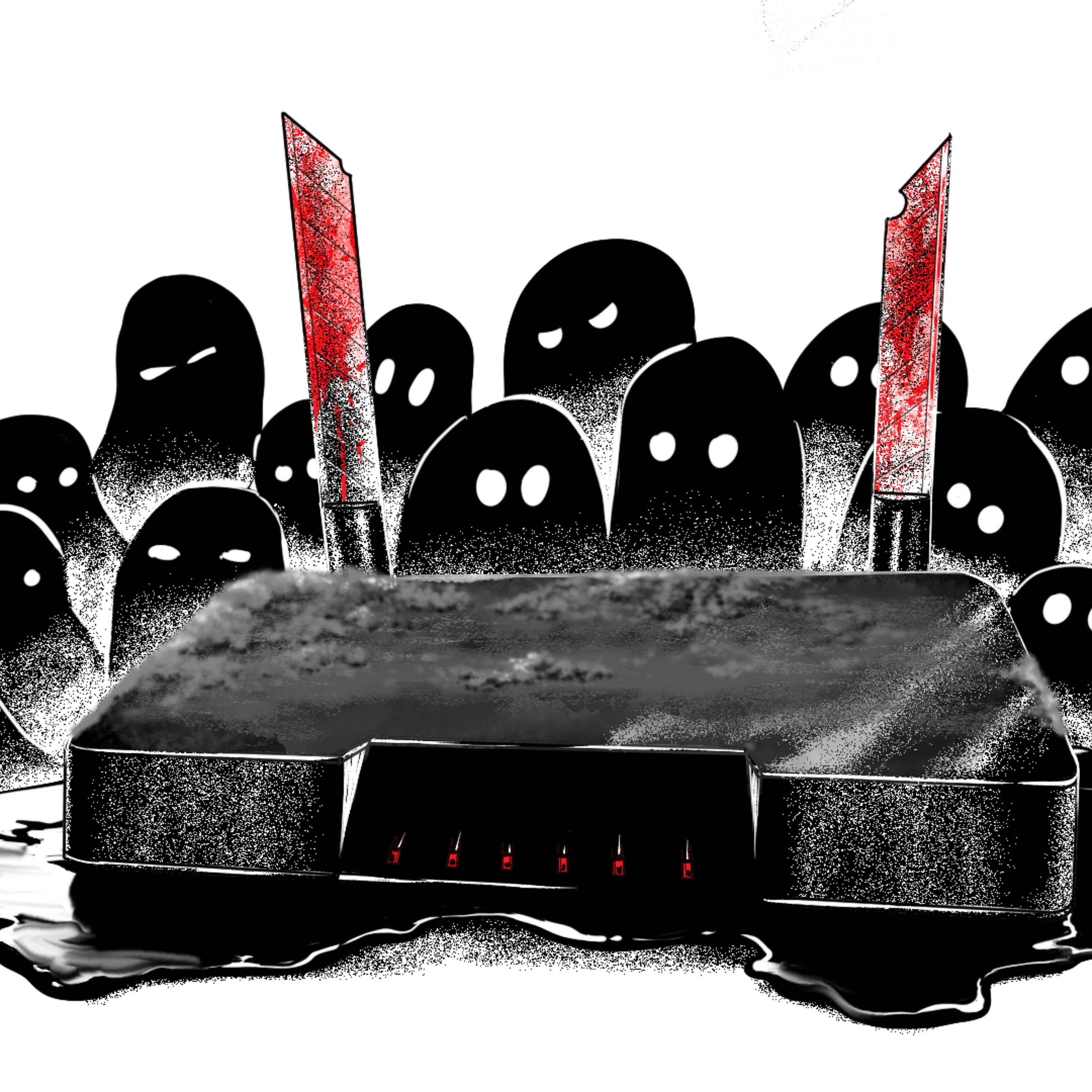
A central focus is the investigation into a device known as the "Superbox," marketed as a budget streaming solution but suspected of containing malicious capabilities. The device was found to communicate with unexplained servers, including Tencent, and was linked to potential data exfiltration or espionage, particularly after being discovered in a home network tied to an oil and gas executive. Technical findings revealed vulnerabilities such as outdated Android software, pre-installed remote access tools, and suspicious behaviors like ARP flooding and network impersonation. The Superboxs prevalence on major retailers and its promotion through influencers and online marketplaces despite legal and security risks is also explored.
The discussion extends to broader implications, including the devices potential role in large-scale cyberattacks, its ties to botnets like the Kim Wolf network, and the challenges of regulating such threats. Concerns about consumer privacy, corporate espionage, and the lack of regulatory enforcement against devices sold by unverified sellers are emphasized, alongside the ethical dilemma of balancing convenience with cybersecurity risks.