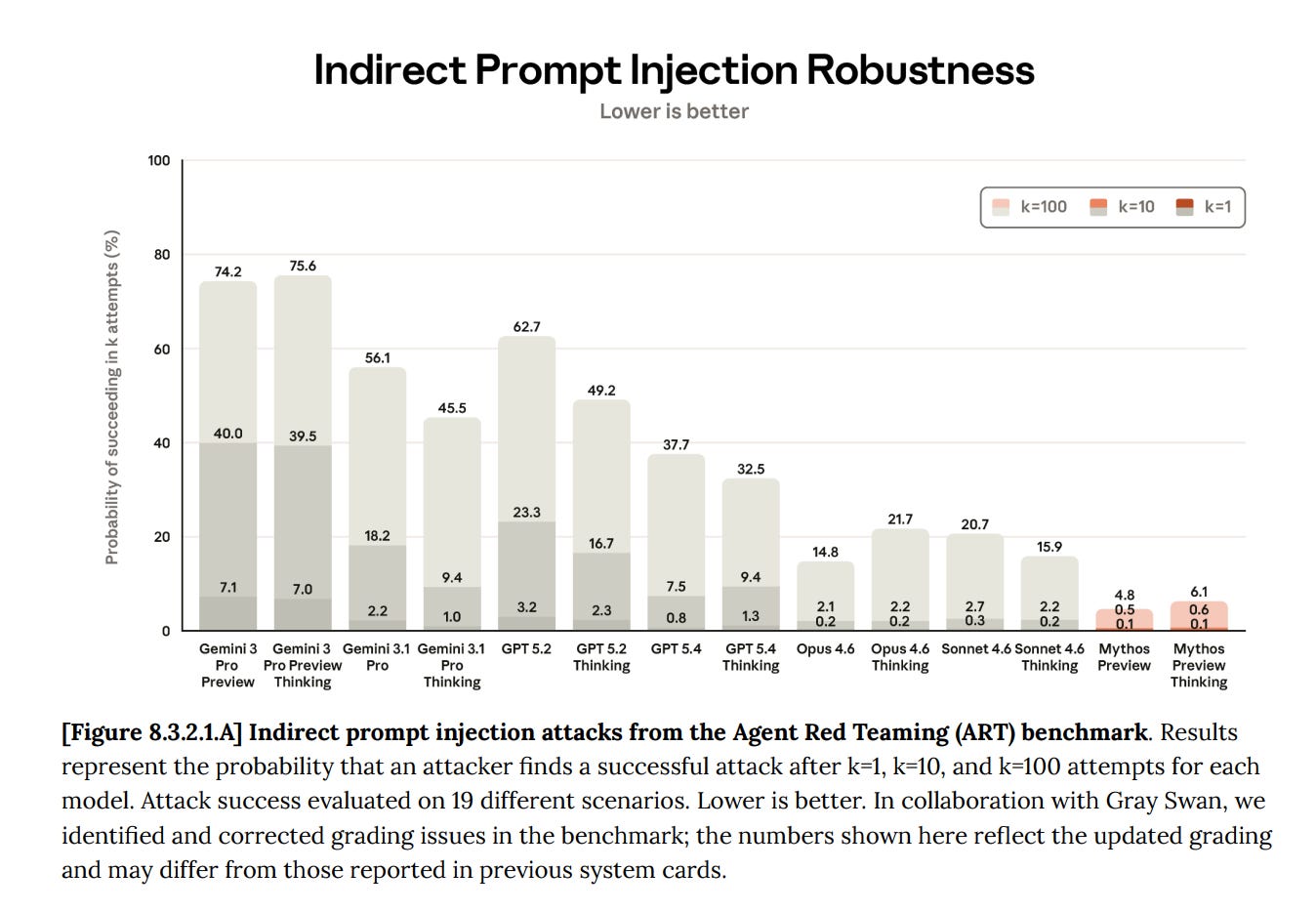
The podcast explores critical aspects of AI security, emphasizing vulnerabilities in large language models (LLMs) and AI systems, such as tool call errors, data leakage, and credential theft. It highlights how AI systems differ from traditional software, with risks like correlated failures across widely used models and unique failure modes requiring distinct security approaches. Discussions span academic and commercial efforts to address these challenges, including Grace Wans research on adversarial attacks and specialized tools like Signal, which detect policy violations by monitoring input-output flows. The conversation also addresses the need for robustness testing through red teamingboth community-driven initiatives (e.g., gamified challenges) and automated models (like Shade)to identify vulnerabilities such as prompt injection and jailbreaking. These efforts underscore the complexity of balancing AI capabilities with security, as even advanced models can be deceived by simplistic tactics, and adversarial safety testing remains a growing field.
Key challenges include the limitations of current approaches to AI interpretability, such as MechInterp, which lack systematic frameworks, and the difficulty of ensuring AI agents comply with policies without over-restricting usability. The podcast critiques the tendency of frontier models to resist automated red teaming but acknowledges that human red teamers may still exploit weaknesses. It also examines the role of AI in automating scientific research and security tasks, such as coding agents for secure software development, while noting that enterprise adoption of AI tools like OpenClaw requires careful integration with security measures like sandboxing and identity management. The discussion extends to the broader need for compliance frameworks in AI, drawing parallels to traditional cybersecurity standards, and highlights the risks of prompt injection as a lethal strike vector capable of bypassing safety measures. These insights collectively emphasize the ongoing research and practical challenges in securing AI systems while advancing their deployment in enterprise and scientific contexts.