More Darknet Diaries episodes

National Public Data thumbnail

National Public Data

Published 21 Jul 2026

Duration: 47:49

"Homeless man William Woods had his identity stolen by a coworker, who built a life under his name for years, leading to systemic identity verification failures, wrongful imprisonment, and eventual exoneration through DNA testing."

Episode Description

This is the story of the hacker known as "USDoD". When he was young he had a vengeance on the US, and this lead him down a road of continual data brea...

Overview

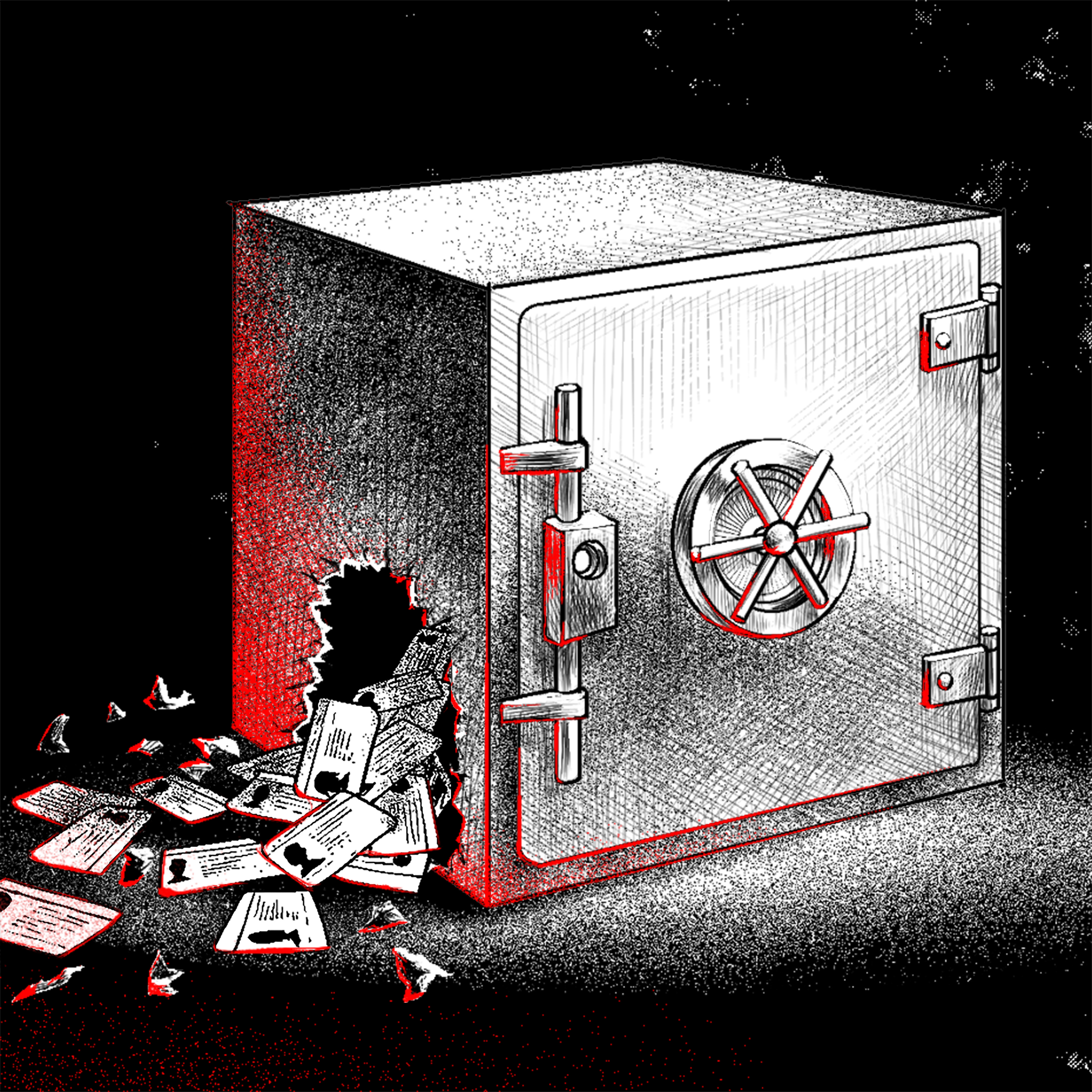
The podcast explores multiple cases of identity theft and systemic failures in verifying identity. One central story follows William Woods, whose identity was stolen by Matthew Kierens after a stolen wallet allowed Matthew to legally assume William's name, build a successful career, and even marry under the false identity. For over 30 years, Matthew lived undetected while the real William, living off the grid, was later wrongfully accused of fraud and committed to a mental hospital. It wasn't until a DNA test after 1.5 years of incarceration that William was exonerated and Matthew was arrested, facing 12 years in prison for identity theft and perjury.

Another key focus is on cybercrime and data exploitation, particularly through the figure of Luan Barbosa, known as "US DoD," a Brazilian hacker who breached U.S. military and NATO systems using social engineering and impersonation. His attacks were motivated by personal grievances, including a failed relationship during medical treatment in the U.S. The podcast also examines the role of data brokers in enabling identity theft, highlighting a massive breach of 2.9 billion records from National Public Data, which exposed sensitive personal information. The narrative underscores how lax security, government use of purchased data, and the lack of regulation create widespread privacy risks, leaving individuals vulnerable and with little recourse.
What If

  • What if you discovered your digital identity had been cloned and monetized by someone else?

    • Move: Audit your public digital footprint using reverse image search, data broker opt-out tools (e.g., DeleteMe, Incogni), and credit monitoring (e.g., Aura or IdentityForce) to detect unauthorized usage.
    • Why Now?: Data brokers and breaches make identity cloning easier than ever - early detection drastically reduces recovery time and legal liability.
    • Expected Upside: Catch impersonation early, secure your identity, and prevent financial/operational sabotage (e.g., fake accounts, loan fraud) that could derail your software business.
  • What if you could legally weaponize stolen data access patterns to build a fraud-detection SaaS?

    • Move: Develop a lightweight API tool that cross-references user onboarding data (emails, phone, ID) against known breach databases (HaveIBeenPwned, SpyCloud) and flags anomalies in real time.
    • Why Now?: With 2.9 billion records exposed from brokers like National Public Data, demand for automated identity validation is surging - especially for solo devs targeting fintech or remote verification.
    • Expected Upside: Fast time-to-market with a niche compliance tool; monetize via usage-based pricing for startups needing KYC/AML checks without enterprise overhead.
  • What if your next app's security relied on assuming all user identities are already compromised?

    • Move: Design your authentication flow with zero-trust principles - eliminate password reuse risks by enforcing burner-email support, decentralized IDs (e.g., .bit), and social recovery instead of SMS/email reset.
    • Why Now?: SIM swaps and credential stuffing are rampant; proven breaches (e.g., Infragard, NPD) show traditional identity proofs are fragile and exploitable.
    • Expected Upside: Build trust with privacy-conscious users, reduce support burden from account takeovers, and differentiate your product in a market where security flaws kill solo ventures.

Takeaway

  • Implement end-to-end encrypted communication tools like Signal and ProtonMail to protect sensitive client and business data from interception.
  • Use a privacy-focused browser such as Brave and avoid unencrypted channels like standard SMS to minimize personal and operational data exposure.
  • Regularly audit and isolate personal identifiers across platforms, ensuring no single email or account is reuse across services to prevent cross-platform doxxing.
  • Establish burner identities with disposable emails and phone numbers for low-trust interactions, especially when testing or engaging with third-party platforms.
  • Monitor data broker exposure by proactively searching for personal information leaks and using opt-out services where available, while assuming breach is inevitable and planning defenses accordingly.

Recent Episodes of Darknet Diaries

2 Jun 2026 Bayrob

Sophisticated cybercriminals exploit legitimate tools like PowerShell to evade detection, as seen in the Bayrob malware's eBay fraud case, which required decrypting encrypted data, navigating geofencing, and dismantling a global botnet of 400,000 systems through international law enforcement collaboration.

7 Apr 2026 SuperBox

Recent product recalls highlight dangers from a recalled IKEA garlic press causing injuries and a malware-infected gaming PC, while a suspicious "super box" streaming device linked to foreign servers, ARP flooding, and potential espionage raises alarms about third-party marketplace security, IoT vulnerabilities, and geopolitical cyber threats.

3 Mar 2026 Melody Fraud

The modern streaming industry is plagued by $3 billion in annual losses due to fraud, data privacy concerns, and money laundering.

3 Feb 2026 Phrack

Frac magazine's history and impact on the hacking community are explored, detailing its transfiguration from print to online platform, struggles, and eventual revival, highlighting its crucial role in shaping early hacking techniques and cybersecurity industry.

20 Jan 2026 MoD

The episode explores a true story of early 80s and 90s hacking, tracing a notorious hacker and detailing the rise and fall of hacker groups, law enforcement crackdowns, and the broader implications of their activities.

More Darknet Diaries episodes