16 Nov 2026 The Money Is In The Unasked Questions
Addressing unspoken prospect fears, distinct from objections, is critical for converting high-ticket sales by removing uncertainty and building trust.
More Copywriters Podcast episodes
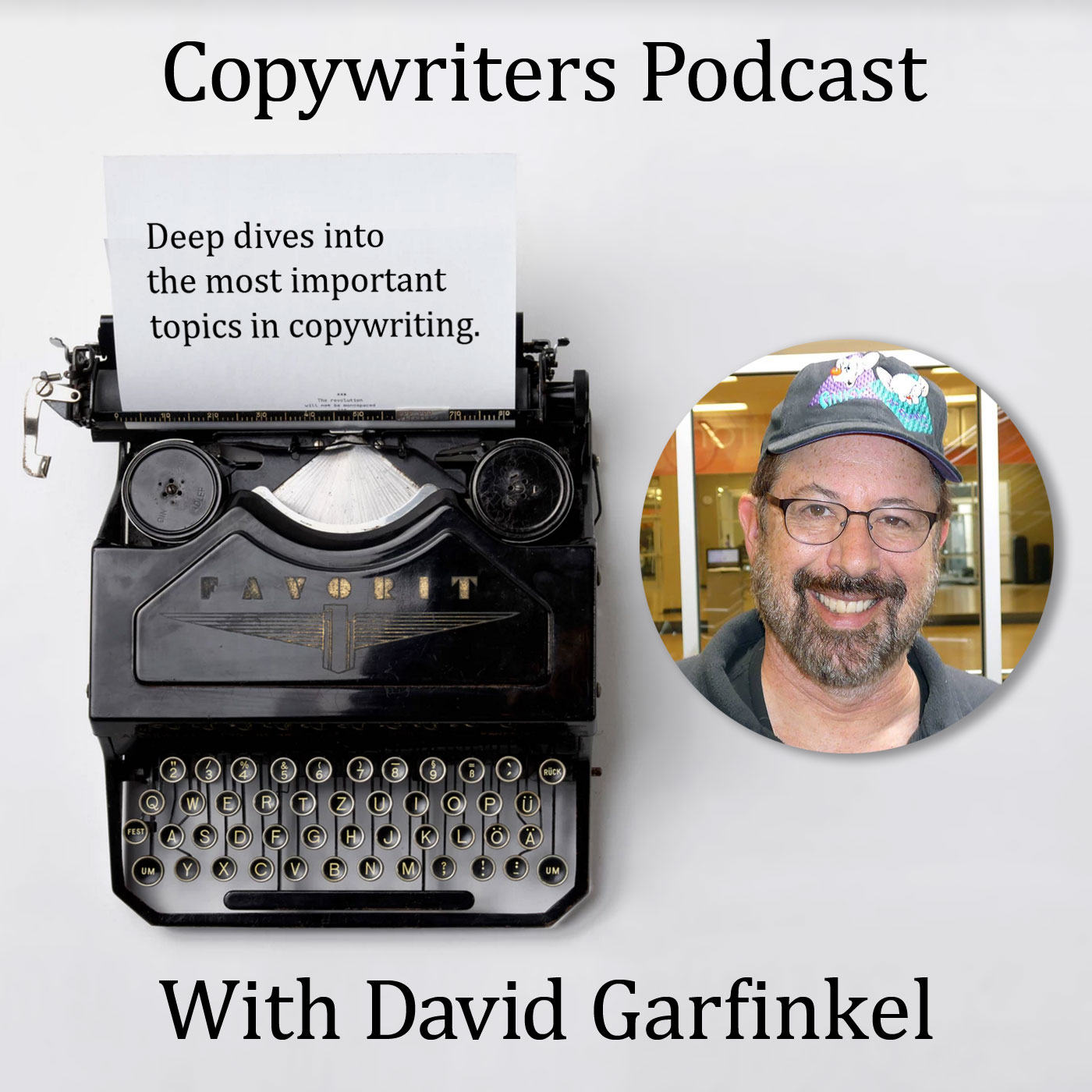
Published 9 Nov 2026
Duration: 00:31:00
A human copywriter and AI compete in ten copywriting tasks, with humans excelling in creativity and AI in data tasks.
Last week, we held a prize fight between a human copywriter and an AI, or, at least a virtual prize fight.Here's the background:In late September, her...
The podcast presents a structured comparison between a human copywriter and an AI across ten copywriting tasks, framed as a virtual "prize fight." Each round assigns a specific task - ranging from writing in a distinctive voice to analyzing campaign data - and the participants decide which side performs better. The format is explicitly non-physical: "No robots or people will be harmed by the events about to take place on our show today."
The human copywriter wins six and a half rounds to three and a half, with one tie. The human takes rounds on voice, objection handling, offer shaping, line editing, storytelling, and diagnosing failed promotions. The AI wins rounds on reformatting winning copy for different platforms, gathering proof, and flagging claims needing legal review. The tie goes to analyzing test results, where the participants conclude that "this is when the human and the robot work together that's when we actually get the victory."
Key themes include AI's tendency to add "a bunch of fluff that would never pass a copy chief's desk" and sound "too cool to be believable," its cheerleader-like reluctance to push back on clients, and its inability to replicate the "gut check" that guides human judgment in storytelling and market resonance. The participants note that AI excels at analysis and gathering but struggles with creation, particularly narrative and authentic voice.
What if you built a "product voice file" from your own user interviews and support transcripts, then fed it to AI before finalizing any marketing copy?
What if you used AI to gather competitor objections and user complaints, then applied your own judgment to prioritize which ones to address in your next release?
What if you wrote your product's landing-page copy at full overboard, then instructed AI to flag every claim needing substantiation before you publish?
16 Nov 2026 The Money Is In The Unasked Questions
Addressing unspoken prospect fears, distinct from objections, is critical for converting high-ticket sales by removing uncertainty and building trust.
2 Nov 2026 Prize Fight:Human Copywritervs. AI
A virtual prize fight between an AI and a human copywriter evaluates who performs better in various copywriting tasks, with the human winning six to four.
26 Oct 2026 What To Do When An Offer Stalls Out
"Assess and adapt offers by testing variables, staying agile, and leveraging authenticity to overcome market misalignment, overpromising, or outdated positioning."
19 Oct 2026 Scientists Reveal Extreme Sales Shortcut
"Readability in copywriting significantly impacts sales and conversions, with font choice, sentence structure, and word selection influencing perception and trust, while 14 techniques and psychological strategies optimize effectiveness."
12 Oct 2026 7 More Eternal Truths Of Copywriting
"Timeless copywriting principles focus on psychology, strong CTAs, and overcoming irrational fears, with real-world examples proving effective techniques remain unchanged, while modern tools and testing enhance persuasive advertising."